|
DONKEY

We have two
DONKEYS at the farm:
Jake and Buddy

Jake is a 14 year
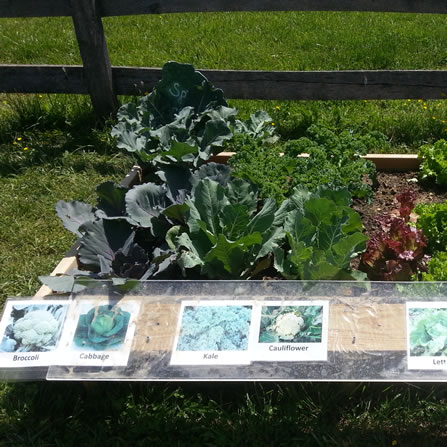
old Standard Donkey. He is a big, strong guy and loves broccoli and
cabbage leaves for snacks. Jake likes to be scratched on his neck and
side but please don’t touch his mouth! He might think little fingers are
carrots!

Buddy is a
Miniature Donkey. He is only 2 years old and is very friendly.
His best friend is Daisy.
Christopher
Columbus brought the first donkeys to the new world in 1495.
Donkeys are used
as guardians for sheep, companions for horses, farm work and riding.
Donkeys have many
wild cousins that live in the western part of the U.S. The word “burro”
is used west of the Mississippi and the word “donkey” is used to the
east.
Donkeys come in
many coat colors, but most are gray with light muzzles and eye
“rings”. We all have long dark eye lashes. Some donkeys have a cross on
their backs.
A male donkey is
called a Jack.
A female is called
a Jennet.
A baby is a foal.
I have a raspy,
brassy voice: Aw-EE, Aw-EE! I can
be very loud at feeding time.

|
Facts about Donkeys:
Donkeys ears are MUCH longer in proportion to their
size than a horse’s. The necks are characteristically straighter and most donkeys and all zebras lack a true wither. The croup
and rump are also a different shape in the donkey and it’s hybrids,
lacking the double-curve muscled haunch. The back is straighter due to
the lack of withers.
The mane and tail in the donkey are coarse. The mane is still and
upright, rarely laying over, and the tail is more like a cow's, covered
with short body hair for most of the length, and ending in a tasseled
switch. Donkeys do not have a true forelock, although sometimes the mane
grows long enough to comb down between the ears toward the eyes. Because
the mane is stiff and sometimes flyaway, many donkeys, especially show
stock, wear their manes clipped short or shaved close to the neck.

The ass was
domesticated by the Egyptians about 4000 BC; it is more surefooted than
the horse, which makes it better on mountain trails. It also lives
longer than the horse—generally from 25 to 50 years. The African wild
ass can run up to 50 km/h (up to 30 mph).
In the United
States the donkey has been used as a beast of burden and for the
breeding of mules, which are hybrids produced by mating mares and
jackasses (see Mule). Small donkeys, or burros, played a major
role as pack animals in opening up the western United States.
Information provided
courtesy of the American Donkey and Mule Association.
|